


Do Police Clean Up Crime Scenes?

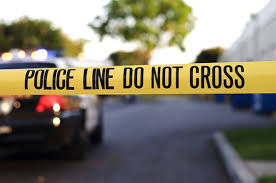
Police investigate crime scenes, but they do not clean up blood, bodily fluids, or biohazard materials after the scene is released. That cleanup is usually left to the property owner, landlord, family, or business.
Do Police Clean Up Crime Scenes?
Most people assume the police, fire department, or medical examiner handles the cleanup after a crime scene. In reality, they usually do not.
Police and investigators respond to the emergency, secure the scene, collect evidence, and complete their investigation. Once the scene is released, the actual cleanup is usually the responsibility of the property owner, landlord, family, or business.
That can come as a shock, especially when blood, bodily fluids, fingerprint powder, broken glass, damaged materials, or strong odors are left behind.
What police usually do
Police are there to investigate and protect the scene. Their job may include securing the area, documenting evidence, speaking with witnesses, and coordinating with the medical examiner when needed.
But cleanup is not usually part of their job.
That means they typically do not remove blood, sanitize surfaces, dispose of contaminated materials, remove odors, or repair damage caused by the incident.
Why crime scene cleanup is different from regular cleaning
Crime scene cleanup can involve blood and other potentially infectious materials. These materials can carry serious health risks if they are not handled correctly.
Cleaning visible stains is not enough. Blood and bodily fluids can soak into flooring, subflooring, baseboards, walls, furniture, mattresses, and other porous materials.
A proper cleanup may require containment, personal protective equipment, removal of contaminated materials, disinfection, odor treatment, and proper disposal.
Can a family member or landlord clean it themselves?
In some cases, people try to clean it themselves because they do not know who to call or they are worried about cost.
The problem is that household cleaners are not designed for every biohazard situation. Without proper protection and disposal, contamination can spread to other rooms, clothing, shoes, vehicles, trash containers, and nearby surfaces.
There is also the emotional side. Cleaning up after a traumatic event can be extremely difficult for family members, friends, tenants, employees, or property owners.
Who is responsible for the cleanup?
Responsibility depends on the situation.
For a private home, the homeowner or family usually has to arrange cleanup.
For a rental property, the landlord or property manager may need to handle it.
For a business, the business owner or property owner is usually responsible for getting the area cleaned and safe again.
Insurance may help in some cases, depending on the policy and the cause of loss.
What a professional crime scene cleanup includes
A professional cleanup may include:
Removing blood and bodily fluids
Removing contaminated materials
Cleaning and disinfecting affected surfaces
Treating odors
Using proper protective equipment
Bagging and disposing of biohazard waste correctly
Documenting the work for insurance when needed
The goal is not just to make the area look better. The goal is to make the area safe.
When should you call a biohazard cleanup company?
You should consider calling a professional if there is blood, bodily fluid, decomposition, odor, contaminated furniture, affected flooring, or any situation where you are not sure what is safe to touch or remove.
It is better to ask questions before starting the cleanup than to spread contamination by accident.
Need help with a crime scene cleanup in Connecticut?
Biohazard Cleanup LLC provides discreet, professional cleanup for blood, trauma scenes, unattended death, decomposition, hoarding, rodent waste, odor, and other biohazard situations throughout Connecticut and surrounding areas.
We keep our pricing as fair as possible, explain the scope before work begins, and provide documentation when needed.
Call, text, or send photos if you are comfortable. We will explain what needs to be done before you make a decision


